

The One Big Beautiful Bill’s Impact on Nonprofits: What You Need to Know
The One Big Beautiful Bill Act (OBBBA) is changing how nonprofits work in big ways. Some parts are exciting, like new tax breaks and simpler rules. Others are more difficult, like fewer big donations and more people who need help. Nonprofits are projected to lose $7 billion in resources over 10 years due to declining…
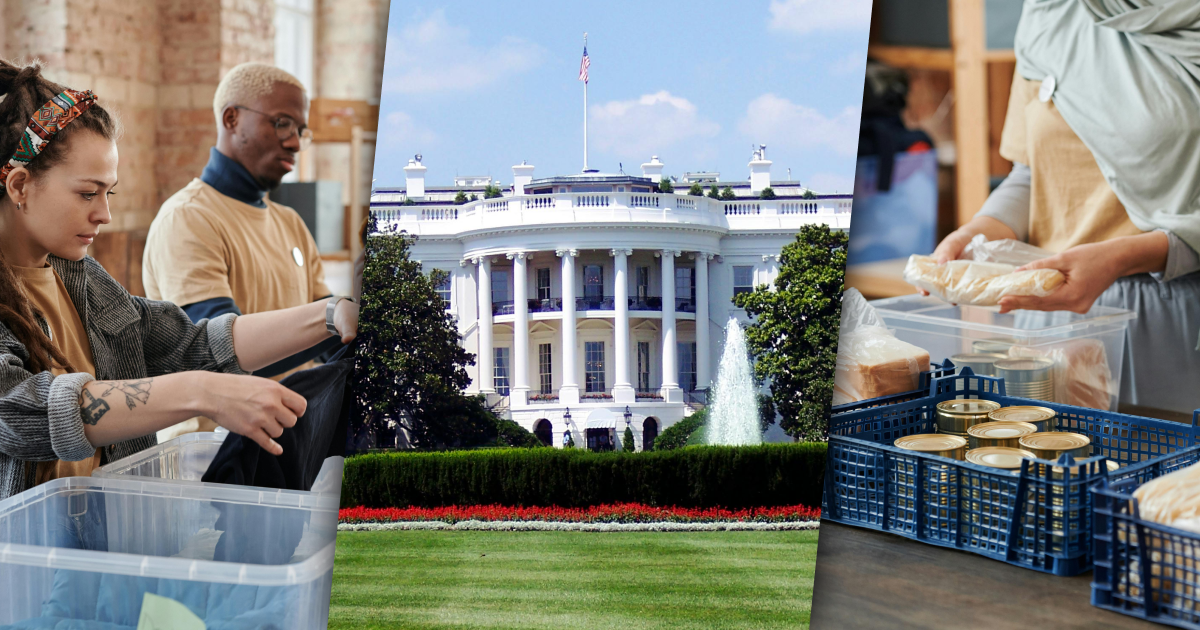
The One Big Beautiful Bill Act (OBBBA) is changing how nonprofits work in big ways. Some parts are exciting, like new tax breaks and simpler rules. Others are more difficult, like fewer big donations and more people who need help.
Nonprofits are projected to lose $7 billion in resources over 10 years due to declining large donations and corporate giving, while more people will come to rely on nonprofits for essential support.
In this post, we’ll unpack the One Big Beautiful Bill’s impact on nonprofits — from funding and compliance to community demand.
Big Changes Nonprofits Should Know About
The OBBBA brings six major shifts:
- Regular taxpayers can now deduct up to $2,000 in donations, even if they don’t itemize their taxes. This change could encourage a wave of small-dollar gifts.
- Small nonprofits get a break with easier reporting rules. That means less paperwork and more time to focus on your mission.
- Digital giving just got a boost. The law supports tools like donor dashboards, digital receipts, and automated reporting. That’s a clear nudge to upgrade your giving platform.
- Big donors and companies won’t get the same tax breaks they used to. Experts expect that could mean up to $81 billion less in giving over the next decade.
- Government support is shrinking. Cuts to programs like SNAP and Medicaid mean nonprofits will be stretched to serve more people — without more resources.
- New tax rules for nonprofits now include all employees, not just the top earners. That means extra compliance work and possibly higher costs.
What’s Good About the New Law
Not everything is bad news. The OBBBA offers a few important wins: for instance, these changes could deliver up to $74 trillion in giving over the next 10 years.

More Small Donors Get a Tax Break
About 90% of Americans don’t itemize their taxes. Now, they don’t have to in order to claim a deduction for giving.
The One Big Beautiful Bill Act reinstates the universal charitable deduction that has received bipartisan support in previous years. Donors can deduct up to $1,000 (individual) or $2,000 (joint) each year. This could motivate more everyday donors to give, especially as small-dollar giving continues to grow.
Key takeaway: This is your moment to reach more people. Be sure to promote giving at all levels, not just big gifts.
Easier Compliance for Small Nonprofits
The law makes it easier for smaller organizations to stay compliant by simplifying recordkeeping and reducing legal complexity. That’s good news for organizations with small teams and limited resources.
Key takeaway: Less paperwork means more time for programs, fundraising, and your community.
Digital Giving Tools Get a Boost
Digital giving is more important than ever, and the OBBBA encourages it. The law now supports digital receipts, donor dashboards, and automated tracking — all designed to make it easier to give and receive online.
Benefits include:
- Better donor experiences through self-service tools, recurring gift management, and annual giving summaries.
- Improved transparency and reporting that align with emerging compliance standards.
- Operational efficiency by reducing manual processes and administrative burdens.
Key takeaway: People today expect organizations to be open, use automated systems, and give donors more control. By updating their technology, nonprofits can connect and build trust with supporters who are comfortable with digital tools.
The Hard Stuff: Big Gifts and Services Are Taking a Hit
While the new law opens the door to more individual donors, it also closes some other doors. Nonprofits that depend on large donations or government support may face serious pressure.
Understanding these risks can help you make smart choices and prepare your team for what’s ahead. These are the key areas where the One Big Beautiful Bill’s impact on nonprofits could cause problems.

Less Big-Dollar Giving
Wealthy donors now get a smaller tax break — just 35 cents per dollar donated, compared to 37 cents before. This may sound small, but for major gifts, the difference can be enough to change behavior and decrease large donations. Nonprofits that rely on major gifts might need new fundraising strategies.
Key takeaway: Nonprofits that rely on big donors will need to find new strategies — like recurring giving and small donors — to fill potential gaps.
Corporate Donations May Shrink
Businesses must now donate at least 1% of their income to qualify for tax breaks. Many don’t meet that mark now, so they might choose to reduce or stop giving entirely instead of increasing their support.
Key takeaway: Some companies will stick around — but many won’t. Be ready to explain how giving helps them meet this new requirement. Work with businesses to help them meet the new giving threshold.
Cuts to SNAP
The Supplemental Nutrition Assistance Program (SNAP) is being cut by $186 billion. That means millions of people, especially families with children, could lose access to food. Without extra funding, nonprofits will need to fill in the gap.
At a glance:
- $186 billion in SNAP benefits cut over 10 years
- 5 million people impacted
- Over 2 million children lose food support
Key takeaway: Nonprofits fighting hunger will have to stretch their resources to help even more families. They should prepare for higher demand at food banks, clinics, and community programs.
Cuts to Medicaid
Medicaid is also facing deep cuts — $1.02 trillion over 10 years. An expected 10.5 million people might lose coverage, and almost 8 million might become completely uninsured. These cuts will especially hurt rural and low-income communities.
Key takeaway: Health-focused nonprofits will become even more critical as safety nets disappear.
Tougher Tax Rules for Nonprofits
New excise tax laws now apply to all nonprofit employees, past and present. That could mean more taxes and harder reporting. More nonprofits will owe taxes on retirement or severance packages. Small teams might struggle with the added complexity or financial cost.
Key takeaway: This tax rule could surprise nonprofits with extra costs. Prepare now to avoid penalties later, and review your payroll and compensation policies to stay compliant.
What You Can Do Next
With all these changes, it’s important for nonprofits to respond in a smart, proactive way. The One Big Beautiful Bill’s impact on nonprofits doesn’t have to mean disaster, but it does mean adjusting how you raise money, communicate with donors, and build support.

Here’s how your organization can stay strong in the face of these changes.
1. Strengthen Your Revenue
Start by making your income more stable and diverse. That means less reliance on big gifts and more focus on building broad, reliable support.
- Grow your list of small and first-time donors
- Encourage recurring donations for steady funding
- Help major donors make smart giving choices (like “gift bunching”)
- Educate companies on how to meet the 1% rule
2. Build Stronger Partnerships
You don’t have to do this alone. Working together with other groups can help everyone succeed.
- Team up with other nonprofits to share resources
- Consider mergers if sustainability is a concern
- Collaborate with local businesses and civic groups
3. Speak Up and Stay Informed
Policy changes will keep coming, and nonprofits need to have a voice. Stay engaged so you can shape what happens next.
- Train your team on how to advocate legally and effectively
- Join networks that follow policy changes
- Use tools like GiveWP’s Annual Receipts and Donor Designations to stay transparent
4. Talk Clearly with Donors
Donors want to help, but they need to understand what’s changing and why their support matters more than ever.
- Emphasize the power of individual gifts
- Explain how the universal deduction makes giving easier
Final Thoughts
The One Big Beautiful Bill’s impact on nonprofits presents real challenges, but it also clearly communicates a message: it’s time to adapt, engage, and lead with clarity.
By focusing on what you can control, like growing small-dollar giving, building community, and using the right tools, your nonprofit can rise to the moment.
If you haven’t upgraded your donation platform, now’s the time. Tools like GiveWP’s Annual Receipts, PDF Receipts, and Recurring Donations can help meet these new expectations while saving time and building trust.
Want help staying ahead? Subscribe to our newsletter for updates, fundraising tips, and nonprofit insights delivered weekly.

Like What You’re Reading? Subscribe Here!
Newsletter Opt-in
About the Author
Morgan Hugoboom
With over 10 years experience in marketing, Morgan currently supports Give, LearnDash, Kadence, and other StellarWP brands. When she’s not working, Morgan is usually eating pizza or exploring small towns in New England.