

Complete guide to writing social media for nonprofit fundraising
Grow your donor base and engage your audience on each platform by being intentional when writing for social media.

Writing effective social media content for nonprofit fundraising takes more than posting updates and hoping for likes. To raise real money and grow your donor base, you need to approach social media as a strategic communication tool. Whether you’re a nonprofit leader, fundraising manager, or a social media consultant working with charitable organizations, your posts need to do more than get attention — they need to inspire action.
Social media is one of the most powerful tools nonprofits can use to build relationships, showcase impact, and encourage giving. But using it well means understanding your brand, your audience, and the platforms themselves.
This guide will show you how to write content that drives engagement and donations.
Develop a consistent brand voice for fundraising content
Your social media content should reflect the personality and values of your organization. But it also needs to be consistent, no matter who is writing the posts. That’s why the first step is developing a clear voice and tone for your brand.
What is brand voice and why does it matter?
Brand voice is how your organization “sounds” when it communicates. It’s the language, phrasing, and emotional tone that sets you apart. Your tone might vary slightly depending on the platform, but the core voice should always be consistent.
For fundraising, that consistency builds trust. When donors recognize your voice and see it aligned across platforms, they’re more likely to believe in your professionalism and transparency.
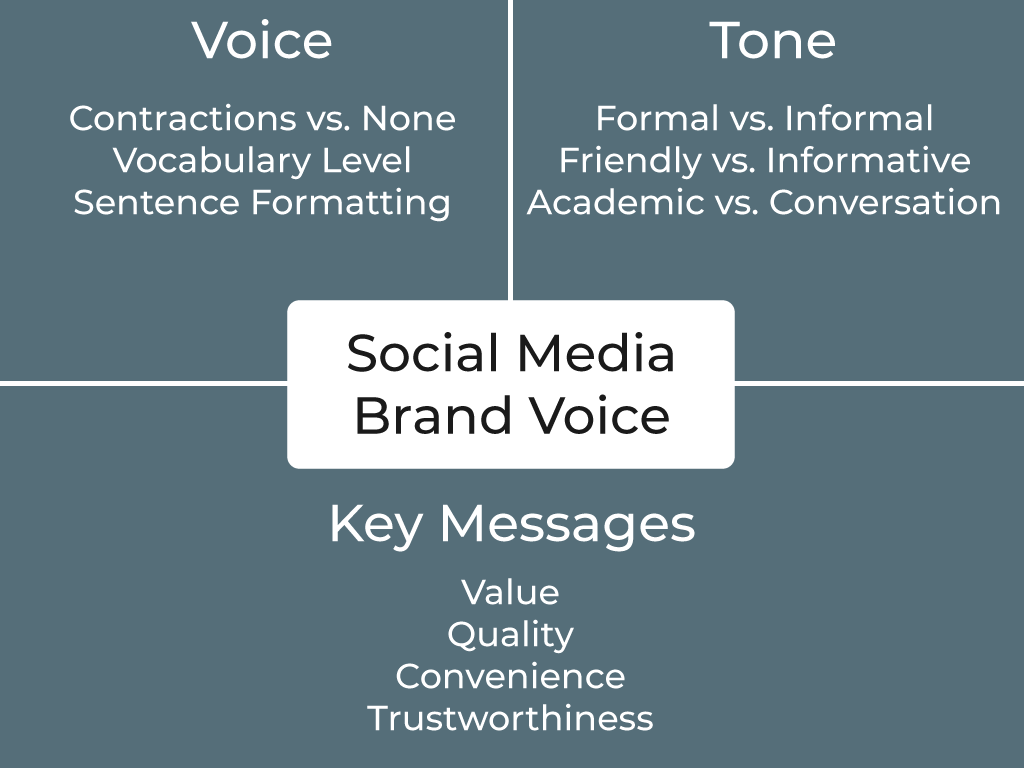
- Developing a chart like this is a good starting point for your brand voice. From here you can craft more detailed messaging.
How to define your voice and tone
Start by identifying three to five traits you want your brand voice to reflect. These might include:
- Compassionate and hopeful
- Professional but warm
- Data-informed but relatable
- Urgent and action-oriented
Write out sample sentences or short paragraphs in that tone. Then create a brief voice guide that your team and any outside writers can use. Be sure to include guidance on grammar, vocabulary level, use of contractions, and emoji policy.
Example: At Give, we use nonprofit-focused terminology like “charitable donation” while keeping tone professional yet approachable. That same strategy works well for most fundraising brands.

Like What You’re Reading? Subscribe Here!
Newsletter Opt-in
Know your donor audience
You can’t write effective social media content if you don’t know who you’re writing to. Understanding your audience helps you choose the right language, emotional appeals, and calls to action.
Why audience insights drive better content
Fundraising success is built on empathy. When you truly understand your audience’s motivations, challenges, and values, your content becomes more persuasive.
Use the data at your fingertips:
- Google Analytics to see where your traffic comes from
- Facebook and Instagram Insights for demographic details
- Email metrics to understand what messages get clicks
- Donor data for giving trends and campaign success
Create donor personas
Build detailed profiles that reflect your typical supporters. By understanding the types of people who support your mission, you can tailor social media messaging to speak directly to them.
Include:
- Age, gender, and location
- Interests and values
- Giving behavior
- What content or causes resonate most
- Preferred tone: emotional vs. logical
Example persona:
Emily, age 52, monthly donor. She values transparency and long-term impact. Prefers fact-based posts over emotional appeals.
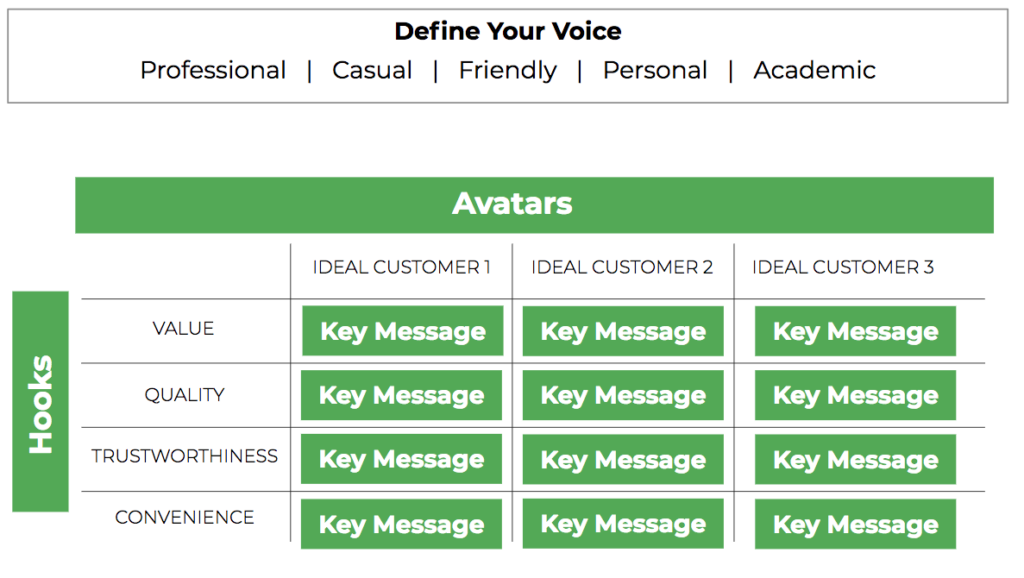
- Narrowing down how you will speak to each group before you begin crafting your messages for each platform allows you to target specific audiences with little to no effort.
Writing social media content that drives nonprofit engagement
Every social media platform has its own culture and best practices. The tone, length, formatting, and even emojis you use should adapt depending on where you’re posting.
But no matter the platform, great fundraising content has three things in common: it’s clear, compelling, and actionable.
General guidelines for all platforms
- Keep it short: Aim for clarity over cleverness.
- Use active voice: Strong verbs move people.
- Lead with value: Why should the reader care?
- Include a call to action: Even if it’s just “Share this post.”
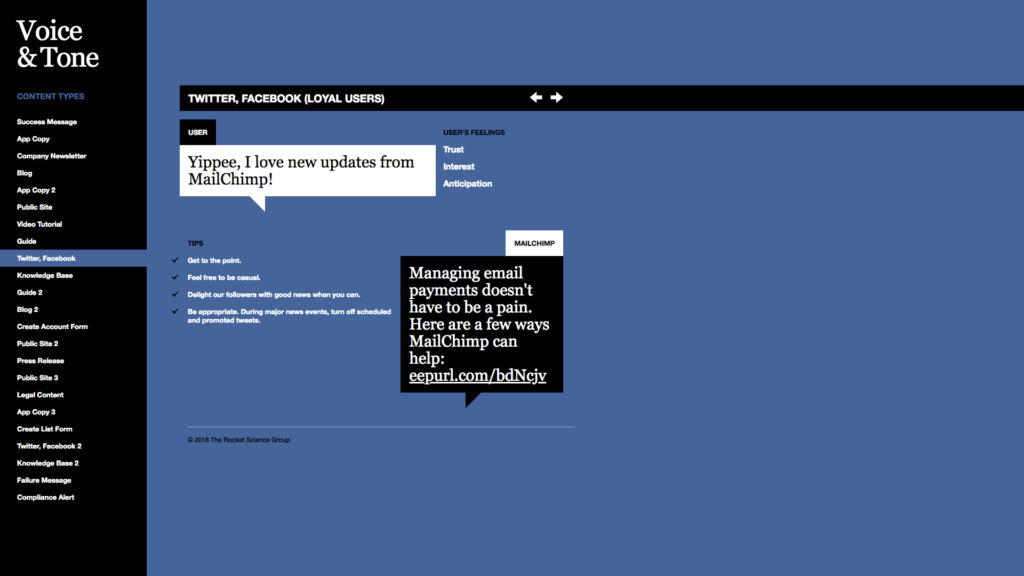
- You may find it helpful to create a writing style guide, like the one available online for MailChimp.
Platform-specific tips
Facebook is strong for community-building and storytelling. It supports longer posts and favors native media like videos and photos. It’s ideal for nurturing donor relationships.
- Use action-oriented language.
- Post native video or image content.
- Write in a friendly, accessible tone.
- Use emojis sparingly to humanize, not overwhelm.
Twitter/X
Twitter is built for fast, real-time conversation and updates. It’s great for short bursts of content, quick engagement, and timely calls to action, but not ideal for deep storytelling.
- Keep posts under 280 characters.
- Use hashtags strategically.
- Mention partners and donors when appropriate.
- Be timely and responsive.
LinkedIn is best for thought leadership and professional storytelling. It’s effective for connecting with board members, corporate sponsors, and partners, but posts should maintain a polished tone. We’ve listed some basics below — or you can check out our guide to using LinkedIn to connect, fundraise, and boost your impact.
- Use a more professional tone.
- Share behind-the-scenes content, leadership wins, or impact reports.
- Ask thoughtful questions to engage your audience.
Want more? Check out our article for how nonprofits can use LinkedIn to fundraise, connect, and more.
Instagram is highly visual and great for storytelling through images and short videos. It’s ideal for showcasing your mission in action but requires strong visuals to perform well.
- Let visuals do the heavy lifting.
- Use the caption to provide context or tell a quick story.
- Hashtags and mentions increase reach.
- Emojis are welcome — in moderation.
Pinterest excels at discovery and evergreen content. It works well for resource sharing, educational content, and campaigns with visual or seasonal elements. Less conversational, more searchable.
- Write descriptive, keyword-rich headlines.
- Include clear calls to action.
- Make pins visually informative.
Balance professionalism and personality in fundraising posts
Nonprofits often walk a fine line between being approachable and maintaining credibility. The right social media content strikes that balance.
When to use informal language
Fundraising doesn’t always have to be formal. Warmth, humor, and authenticity can build connection. Emojis, GIFs, and conversational tone are great tools when used intentionally.
When to keep it formal
High-stakes campaigns, grant partnership announcements, or leadership messaging should lean more formal. But even then, clarity and empathy should guide your language choices.
Engage donors with two-way social conversations
Posting content is only half the job. Engaging with your followers — especially donors and volunteers — builds trust and encourages future action.
Why engagement matters
Donors who comment on your posts, reply to your stories, or share your content are more likely to give again. They see themselves as part of your mission.
How to respond with intention
- Acknowledge every comment with gratitude or curiosity.
- Stay on-brand in your replies (voice and tone matter here too).
- Avoid canned responses.
- Use engagement as a chance to learn what content resonates.
Cheat sheet: social media content guidelines for nonprofits
Here’s a quick-reference guide for writing strong social media content that aligns with your fundraising goals:
Tone:
- Compassionate, informative, and confident
Length:
- Short and scannable, even when telling stories
CTAs to use:
- “Donate today to help [specific impact]”
- “Share this to support our mission”
- “Comment with your story”
Best post types:
- Impact stories
- Behind-the-scenes moments
- Donor spotlights
- Volunteer quotes
- Campaign updates
- Urgent calls to action
Platform focus:
- Facebook: Community and storytelling
- Twitter: Updates and engagement
- LinkedIn: Impact and professionalism
- Instagram: Visual storytelling
- Pinterest: Resource-sharing

- Image by VerticalResponse
Want more donations from social media? Start with better content
Social media content for nonprofit fundraising should always be intentional. It’s not about keeping up with trends or filling your calendar. It’s about telling the right story to the right people in the right way — and then inviting them to join you.
Writing with clarity, compassion, and consistency helps you reach more supporters, grow your community, and raise more money for the work that matters.
If you’re ready to improve your fundraising with better content, Give is here to help you turn your website into a donation powerhouse that works with your social media strategy.
Amplify your fundraising with a GiveWP Plan
About the Author
Morgan Hugoboom
With over 10 years experience in marketing, Morgan currently supports Give, LearnDash, Kadence, and other StellarWP brands. When she’s not working, Morgan is usually eating pizza or exploring small towns in New England.